Shepherds Flat Wind Farm: Renewable Energy Project Finance and Tax Equity
Case Study in the Use of Tax Equity to Finance Renewables

Tax Equity has been a frequently used mechanism for achieving success in project finance as regards establishing renewable energy. The Shepherds Flat Wind Farm, located in north-central Oregon, represents one of the most significant renewable energy project finance transactions in United States history.
Commissioned in 2012, this 845-megawatt wind facility became the largest wind farm in the world at the time of its completion, demonstrating the sophisticated application of project finance principles and innovative tax equity structures in the renewable energy sector.
Project Overview
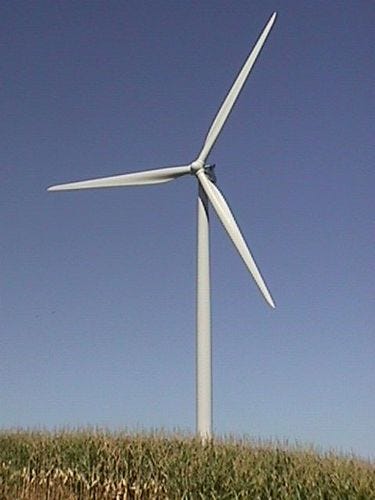
Shepherds Flat Wind Farm is situated in Gilliam and Morrow counties in Oregon, approximately 200 miles east of Portland. The project comprises 338 GE 2.5-megawatt wind turbines spread across approximately 30 square miles of land. The facility generates enough electricity to power approximately 235,000 homes annually (Caithness Energy, 2012).
Development of the project was undertaken by Caithness Energy, an independent power producer with extensive experience in renewable energy development. The project benefited significantly from federal incentive programs available during its development period, particularly the Section 1603 Treasury Grant program and accelerated depreciation schedules under the Modified Accelerated Cost Recovery System (MACRS).
Capital Structure and Financing
The total project cost for Shepherds Flat was approximately $2 billion, making it one of the largest single-phase wind energy investments in history (Norton Rose Fulbright, 2012). The capital structure employed a sophisticated multi-tranche financing arrangement that combined traditional debt, tax equity, and sponsor equity.
Debt Financing
The debt portion of the capital structure totaled approximately $1.3 billion and was structured across multiple tranches to optimize risk allocation and pricing. The Federal Financing Bank (FFB) provided $1.04 billion in senior debt, which was guaranteed by the U.S. Department of Energy through its loan guarantee program under Section 1705 of the American Recovery and Reinvestment Act of 2009 (U.S. Department of Energy, 2011). This loan guarantee was instrumental in achieving favorable debt pricing and extending the tenor of the financing.
Additionally, the project secured approximately $260 million in subordinated debt from a consortium of commercial lenders. This subordinated tranche carried higher interest rates than the FFB-backed senior debt, reflecting its junior position in the capital structure and correspondingly higher risk profile (Mintz Levin, 2012).
Tax Equity Structure
The tax equity component of Shepherds Flat’s financing represents a particularly sophisticated application of partnership flip structures, which have become standard in renewable energy project finance. The project utilized a two-investor partnership flip structure involving Google Inc. and Sumitomo Corporation as tax equity investors.
Google committed approximately $100 million to the project, marking one of the company’s earliest significant investments in renewable energy infrastructure (Google, 2011). Sumitomo Corporation contributed additional tax equity investment, bringing the total tax equity commitment to approximately $500 million. These investments were structured to monetize the substantial tax benefits generated by the project, including the Section 1603 Treasury Grant (which substituted for the Investment Tax Credit) and accelerated depreciation deductions under MACRS.
Partnership Flip Mechanics
The partnership flip structure employed at Shepherds Flat follows the classic design utilized in renewable energy tax equity transactions. During the initial phase of the project, tax equity investors received a disproportionately high allocation of tax benefits and cash distributions relative to their capital contributions. This allocation typically ranges from 90-99% of tax benefits during the pre-flip period (Harper, Karcher & Bolinger, 2007).
The structure was designed to achieve target after-tax yields for the tax equity investors, typically in the range of 7-9% annually. Once the tax equity investors achieved their target returns, the partnership “flips,” reallocating tax attributes and cash flows more favorably to the developer sponsor, Caithness Energy. Following the flip, the developer typically receives the majority of cash distributions and residual tax benefits, while tax equity investors retain a minimal continuing interest, often around 5% (Bolinger, 2009).
Section 1603 Treasury Grant
A critical component of the project’s economics was the Section 1603 Treasury Grant in lieu of Investment Tax Credit. This program, established under the American Recovery and Reinvestment Act of 2009, allowed renewable energy projects to receive a cash grant equal to 30% of eligible project costs rather than claiming the Investment Tax Credit over time (U.S. Department of the Treasury, 2012).
For Shepherds Flat, the Section 1603 grant provided approximately $500 million in upfront cash, significantly improving project liquidity and reducing the required tax equity investment. The grant was paid directly to the partnership, and the allocation of this cash between tax equity investors and the developer was a key negotiated element of the partnership agreement.
Sponsor Equity
Caithness Energy provided the residual equity required to complete the capital structure, estimated at approximately $200 million. This sponsor equity occupied the most subordinated position in the capital structure, bearing the highest risk but also maintaining potential for the greatest upside returns following the partnership flip.
Risk Allocation and Mitigation
The Shepherds Flat transaction incorporated multiple layers of risk mitigation, reflecting best practices in renewable energy project finance. The project secured a 20-year power purchase agreement with Southern California Edison, providing revenue certainty and supporting the debt service coverage ratios required by lenders (Southern California Edison, 2011). This off-take agreement was critical to the bankability of the project, particularly for the senior debt tranches.
Construction risk was allocated to GE Energy, which served as the engineering, procurement, and construction contractor and turbine supplier. GE provided warranties and guarantees on turbine performance, significantly reducing technology risk for investors and lenders (Norton Rose Fulbright, 2012).
The DOE loan guarantee effectively transferred credit risk on the senior debt from project lenders to the U.S. government, enabling the attractive pricing on the largest debt tranche. However, this guarantee came with extensive due diligence requirements and ongoing compliance obligations.
Financial Performance and Implications
Shepherds Flat achieved commercial operation in 2012 and has generally performed in line with or above initial expectations. The project has demonstrated the viability of large-scale wind development in the United States and the effectiveness of partnership flip structures in channeling institutional capital into renewable energy infrastructure.
The transaction has been studied extensively as a case example of successful renewable energy project finance, particularly regarding the coordination of federal incentive programs with private capital structures. However, the project has also attracted scrutiny regarding the appropriate role of government loan guarantees in supporting commercially viable renewable energy projects (Geman, 2012).
Conclusion
The Shepherds Flat Wind Farm exemplifies a sophisticated application of project finance principles to large-scale renewable energy development.
This example of a multi-tranche debt structure, partnership flip tax equity arrangement, and strategic use of federal incentive programs created a viable financing solution for what was, at the time, the world’s largest wind farm.
The success of this transaction has influenced subsequent renewable energy financings and demonstrated the capacity of project finance structures to mobilize the substantial capital required for the clean energy transition.
References
Bolinger, M. (2009) ‘Financing non-residential photovoltaic projects: options and implications’, Lawrence Berkeley National Laboratory Report LBNL-1410E. Available at: https://emp.lbl.gov/publications/financing-non-residential (Accessed: 15 January 2025).
Caithness Energy (2012) ‘Shepherds Flat Wind Farm’, Company website. Available at: www.caithnessenergy.com (Accessed: 15 January 2025).
Geman, B. (2012) ‘Energy Dept. finalizes $1.3B loan guarantee for huge Oregon wind farm’, The Hill, 3 April.
Google (2011) ‘Investing in Shepherds Flat’, Google Green Blog, 20 April. Available at: https://blog.google/outreach-initiatives/environment/ (Accessed: 15 January 2025).
Harper, J.P., Karcher, M.D. and Bolinger, M. (2007) ‘Wind project financing structures: a review and comparative analysis’, Lawrence Berkeley National Laboratory Report LBNL-63434. Available at: https://emp.lbl.gov/publications/wind-project-financing-structures (Accessed: 15 January 2025).
Mintz Levin (2012) ‘Shepherds Flat: largest wind project financing to reach commercial operation’, Client Alert, September.
Norton Rose Fulbright (2012) ‘Shepherds Flat Wind Farm financing’, Project Finance International, May, pp. 34-37.
Southern California Edison (2011) ‘SCE signs renewable energy contracts’, Press Release, 15 March.
U.S. Department of Energy (2011) ‘Energy Department offers $1.3 billion loan guarantee to Caithness Shepherds Flat’, Press Release, 30 September.
U.S. Department of the Treasury (2012) ‘1603 Program: Payments for Specified Energy Property in Lieu of Tax Credits’, Program Report. Available at: https://home.treasury.gov/policy-issues/financial-markets-financial-institutions-and-fiscal-service/1603-program-payments-for-specified-energy-property-in-lieu-of-tax-credits (Accessed: 15 January 2025).